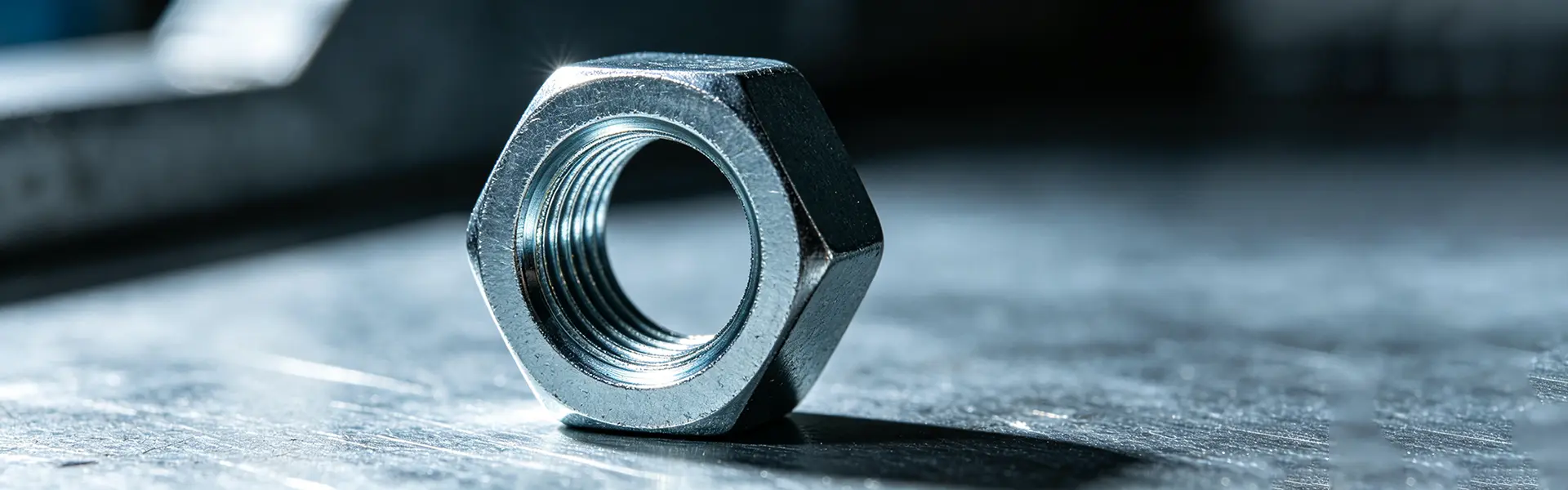
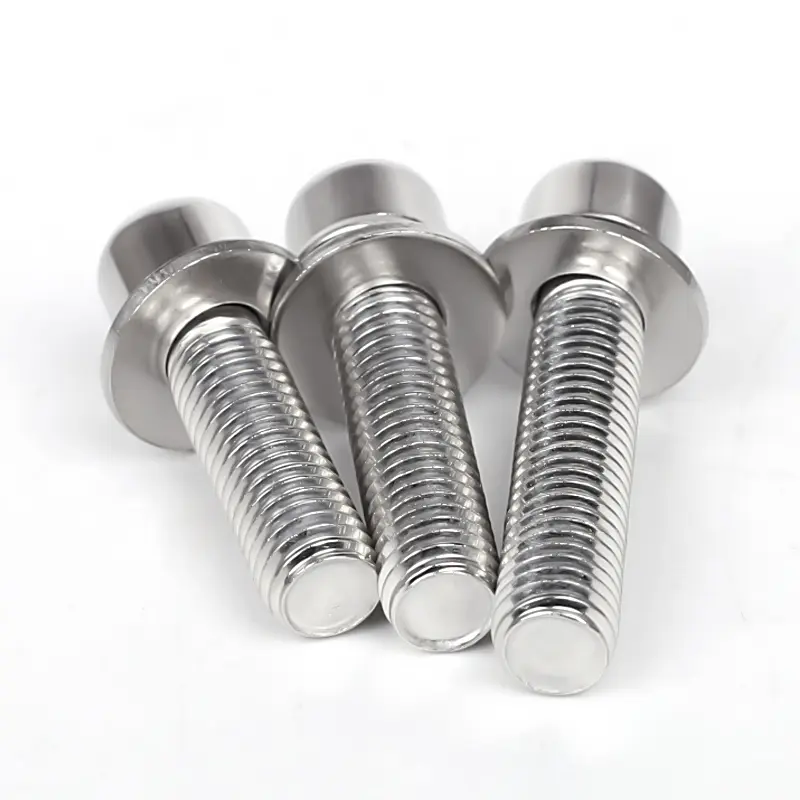
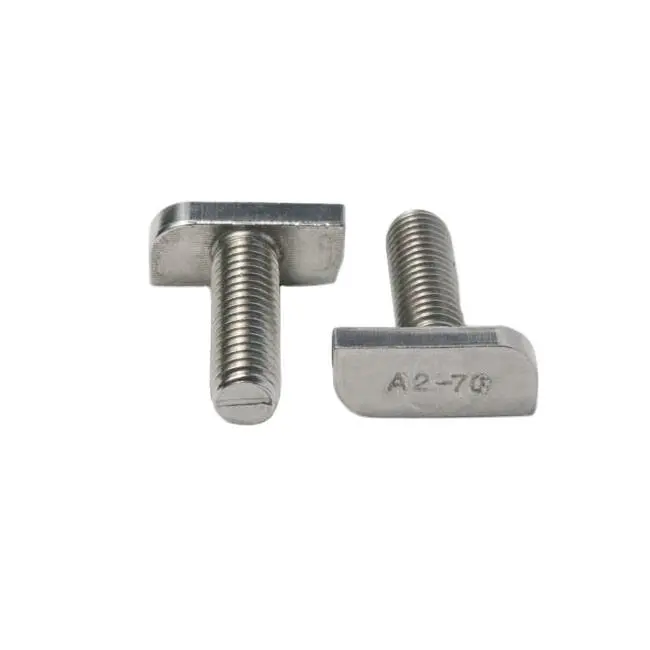
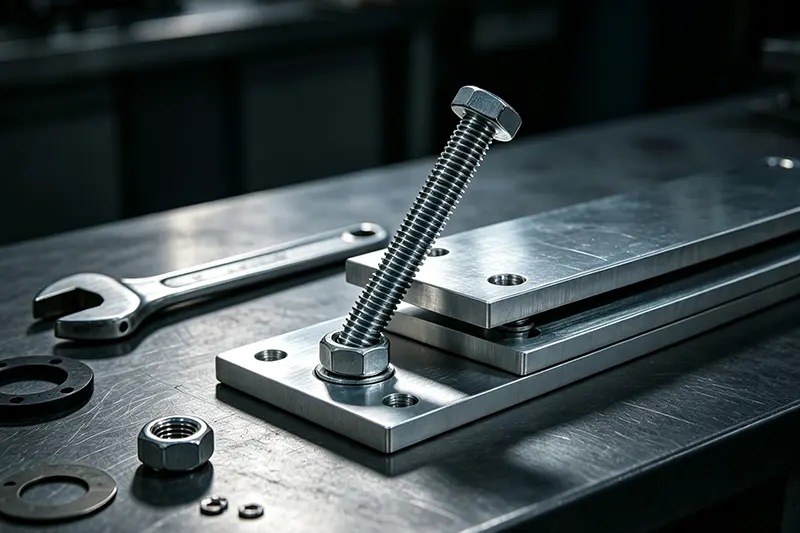
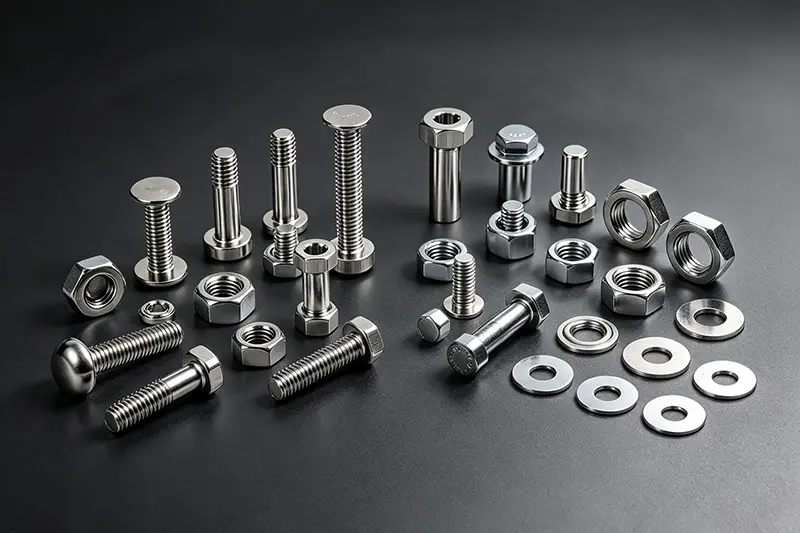
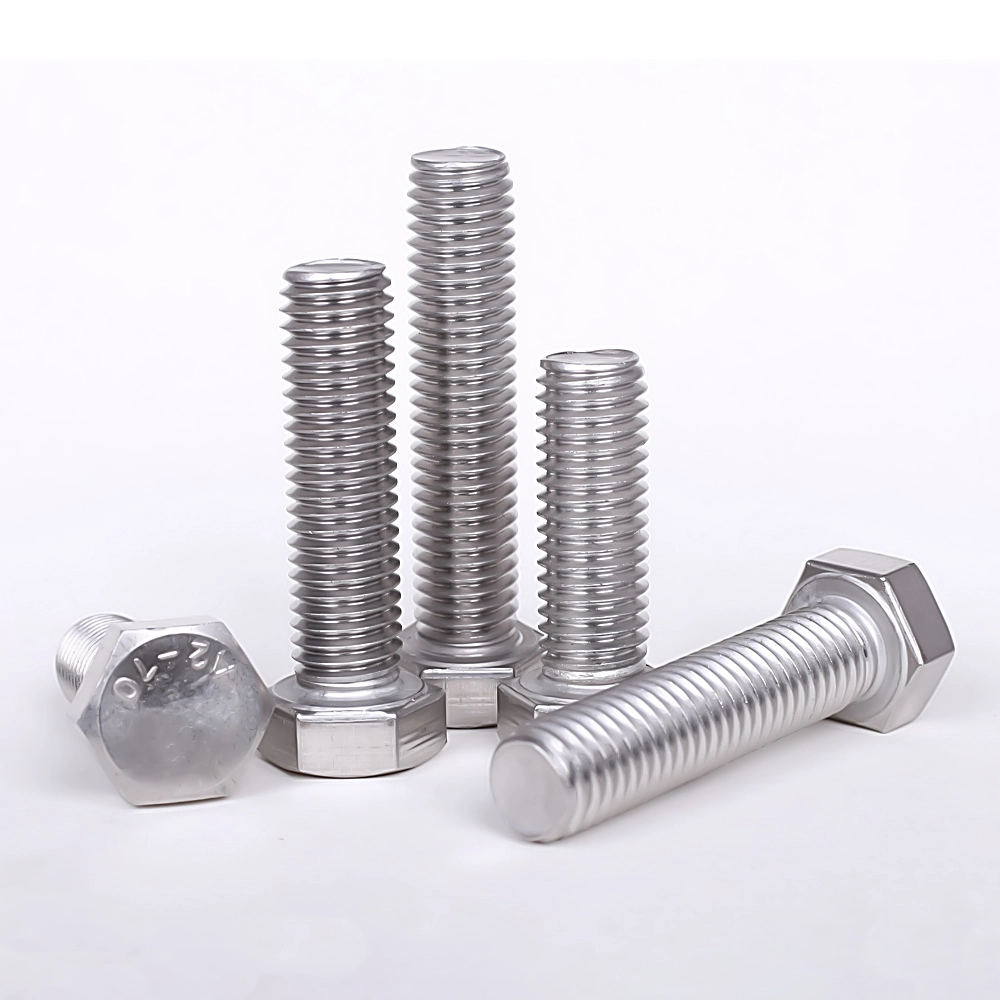
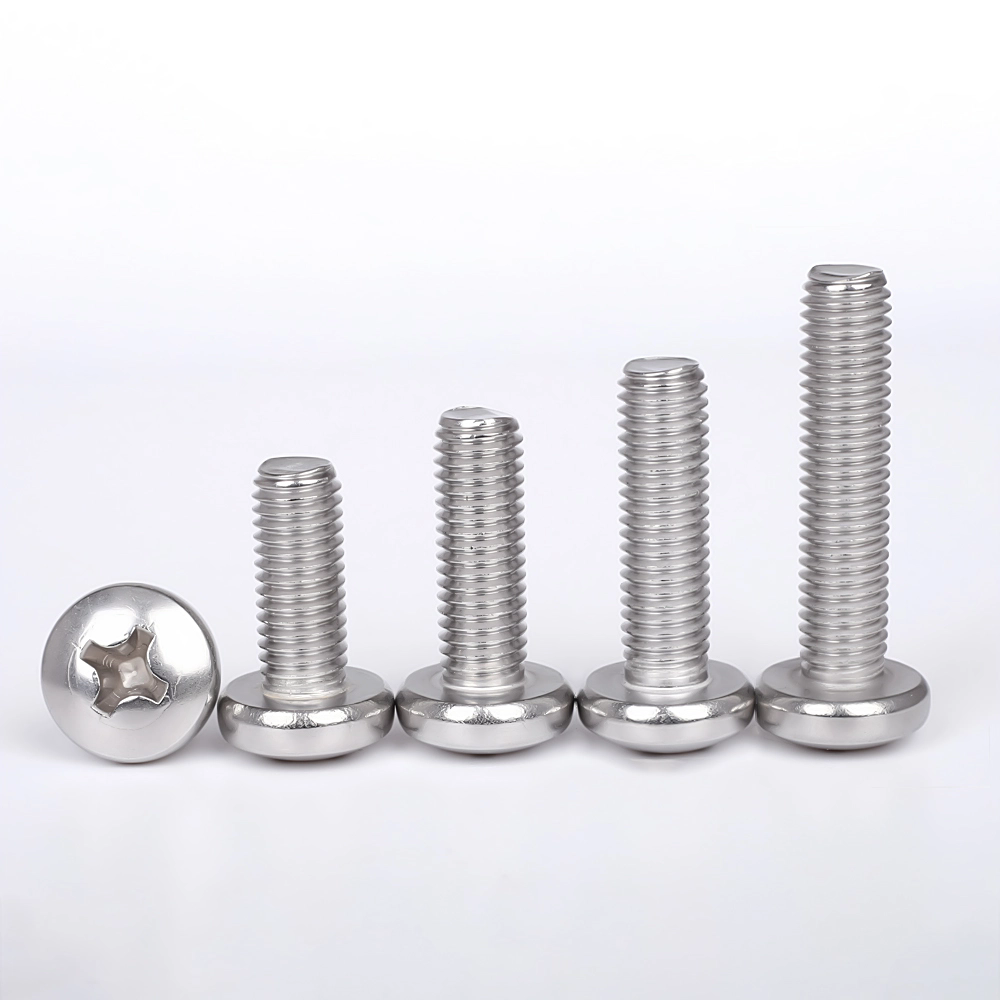
Bolts are categorized into ordinary carbon steel bolts, high-strength bolts (grades 8.8, 10.9, and 12.9), and stainless steel bolts. While the basic manufacturing processes are largely similar, high-strength bolts require an additional heat treatment step, whereas stainless steel bolts undergo pickling and passivation.
I. Incoming Raw Material Inspection
Raw materials: Wire rod (coiled steel); material grades include Q235, 45#, 40Cr, 35CrMo, and 304/316 stainless steel.
Visual inspection: Check for cracks, rust, or surface delamination.
Physicochemical testing: Material spectral analysis, tensile strength, and hardness.
Advantages: Low cost; Disadvantages: Susceptible to hydrogen embrittlement at high temperatures; electro-galvanizing is prohibited for high-strength 10.9/12.9 bolts.
2. Hot-dip Galvanizing (Power industry & heavy-duty outdoor bolts)
No hydrogen embrittlement; superior rust resistance compared to galvanizing; salt spray resistant; mainstream choice for new energy and automotive high-strength components.
4. Blackening / Bluing (Low-cost indoor bolts)
Alkaline oxidation; short-term rust protection only; no coating layer.
We use cookies to offer you a better browsing experience, analyze site traffic and personalize content. By using this site, you agree to our use of cookies.
Privacy Policy