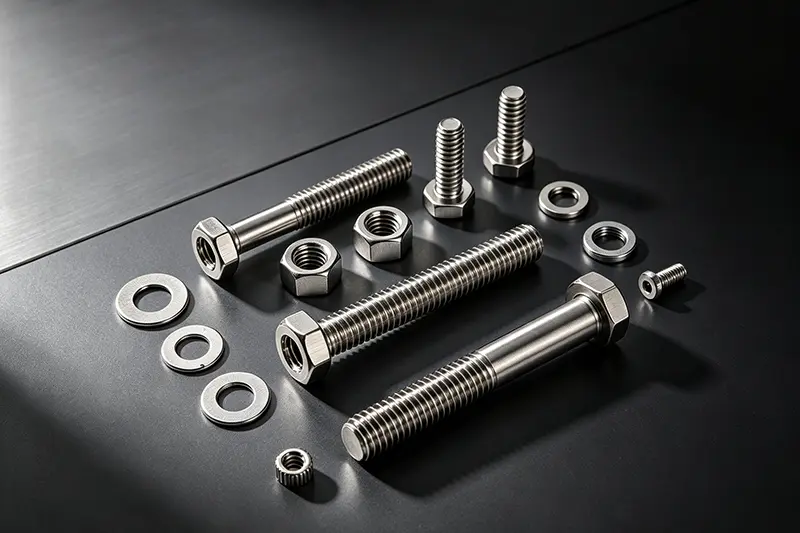
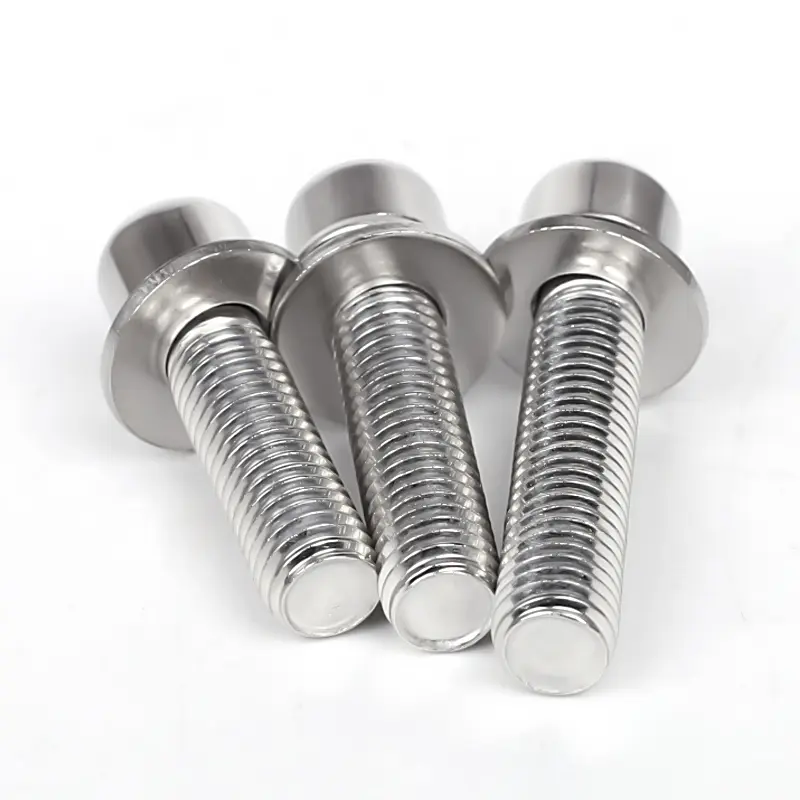
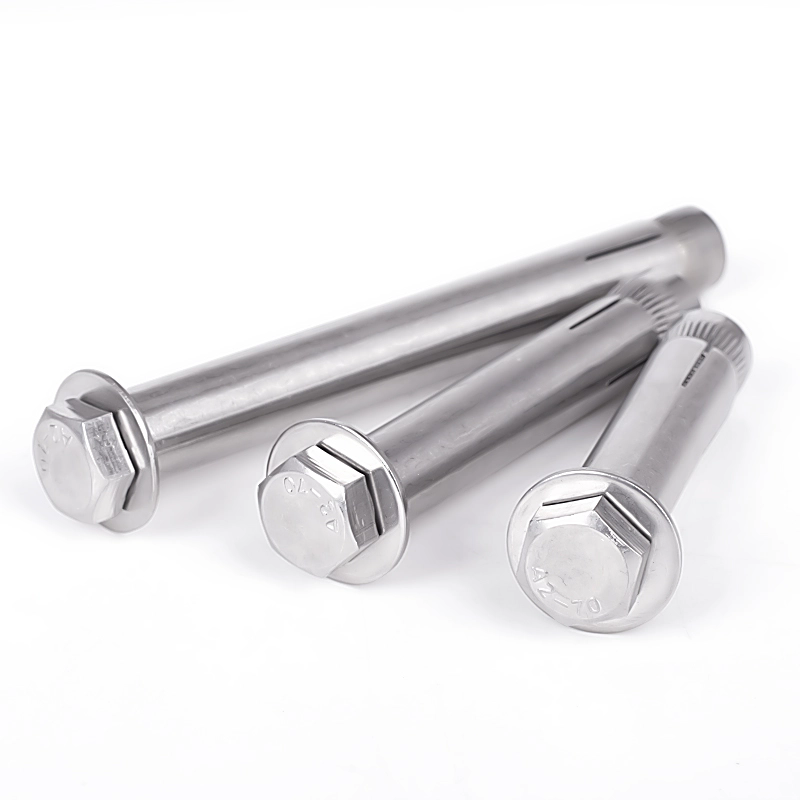
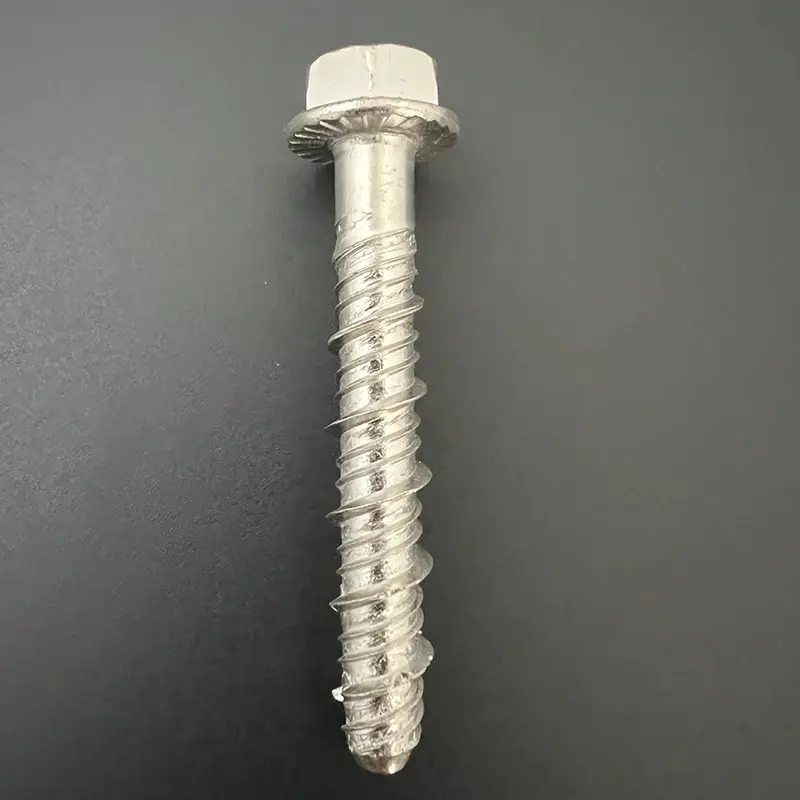
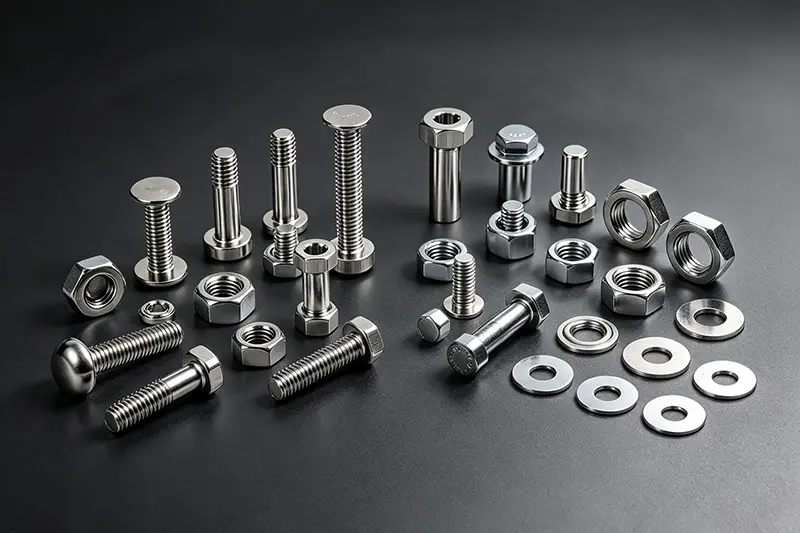
I. Best for Heavy-Duty, High-Strength Structures (Automotive, Steel Structures, Wind Power, Construction Machinery): Alloy Steel
Common Grades: 40Cr, 35CrMo, 42CrMo
Corresponding Strength Classes: Class 10 and Class 12 nuts; compatible with 8.8/10.9/12.9 high-strength bolts.
Advantages: Exceptional strength, toughness, and fatigue/tensile fracture resistance after quenching and tempering; highest load-bearing capacity; mature cold-heading processing and abundant stock availability.
Disadvantages: Prone to rusting; requires Dacromet or hot-dip galvanizing treatment; higher cost than ordinary carbon steel.
Applications: Bridges, wind turbine towers, engine chassis, and primary load-bearing connections in heavy equipment.
Pairing Principle: Nut hardness should be slightly lower than bolt hardness to prevent thread galling or wear.
II. Rust-Proof for Humid/Outdoor/Seawater/Chemical Environments: 316 Stainless Steel (Top-Tier Corrosion Resistance)
Sub-categories:
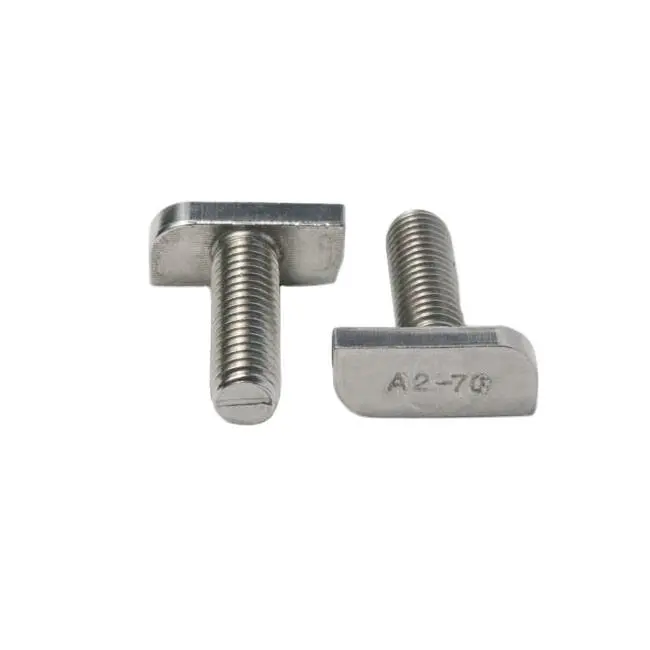
304 (A2-70): General-purpose rust-resistant type
Advantages: Resistant to rain, indoor humidity, and general outdoor conditions; suitable for food processing equipment, kitchens, and bathrooms; non-magnetic, hygienic, and non-toxic.
Disadvantages: Prone to pitting corrosion in coastal salt-spray or acidic/alkaline environments; maximum strength only matches Class 8.8; unsuitable for heavy-duty loads.
316 (A4-80): Stainless steel with superior corrosion resistance
Contains molybdenum to resist chloride ions (seawater, coastal areas, chemical wastewater); salt-spray resistance lifespan is over three times that of 304.
Applications: Marine vessels, offshore equipment, chemical pipelines, swimming pools, coastal solar installations.
Drawbacks: Expensive; threads prone to galling during assembly/disassembly without anti-seize compound; ultimate strength lower than alloy steel.
III. Best Value for Indoor, General Light-Duty Applications: Low-to-Medium Carbon Steel
Materials: Q235, 10B21, 45# Steel
Class 4 / Class 6 Nuts (Q235): Home appliances, furniture, lightweight frames; lowest cost.
Class 8 Nuts (45# Steel) (Quenched and tempered): Internal components of general machinery, equipment in dry factory environments
Advantages: Lowest cost, easy to machine, abundant supply
Disadvantages: No inherent rust resistance (requires zinc plating or black oxide coating); rusts and seizes quickly in humid environments
IV. Optimal materials for specialized applications
Advantages: Non-sparking upon impact (explosion-proof for workshops with oil/gas or dust), conductive (heat and electricity), self-lubricating threads (resists seizing), water corrosion resistance
Drawbacks: Low strength (unsuitable for heavy loads); relatively high cost
Applications: Valves, water pipes, electrical terminals, flammable/explosive equipment
Advantages: Strength comparable to high-strength steel, half the weight, resistant to seawater and strong acids, non-magnetic, high-temperature resistance
Disadvantages: Very expensive, difficult to machine
Applications: Aircraft, new energy race cars, deep-sea equipment, high-end medical devices
3. Insulation, light loads, no rust: Nylon (PA66) nuts
Insulating, rust-proof, vibration-dampening; suitable only for plastic housings and light-duty fastening in low-voltage electrical applications
We use cookies to offer you a better browsing experience, analyze site traffic and personalize content. By using this site, you agree to our use of cookies.
Privacy Policy