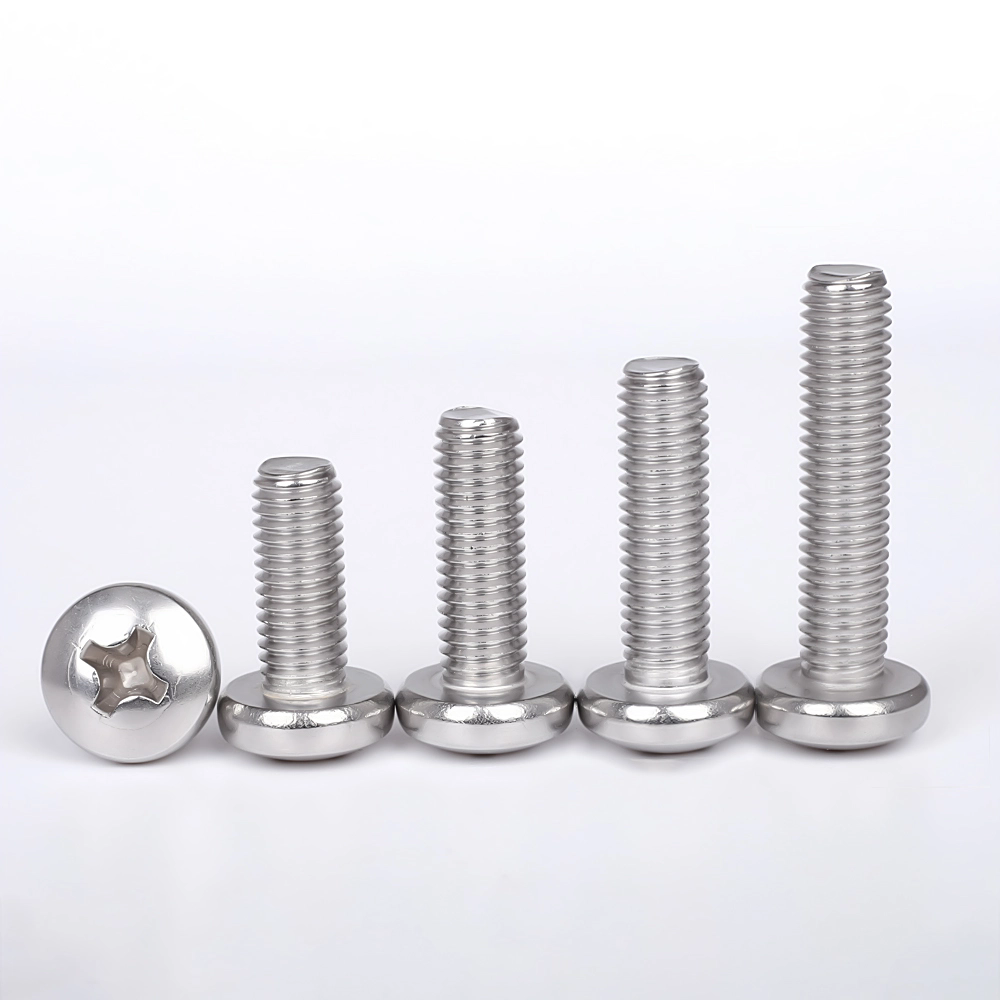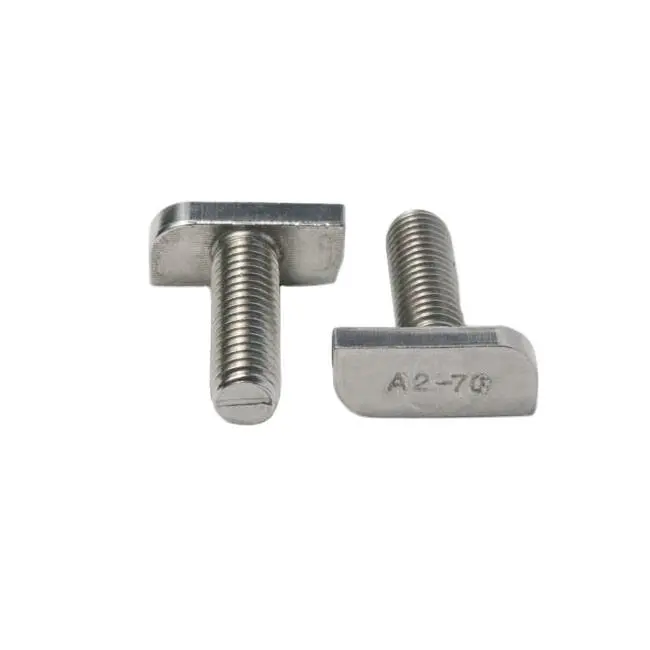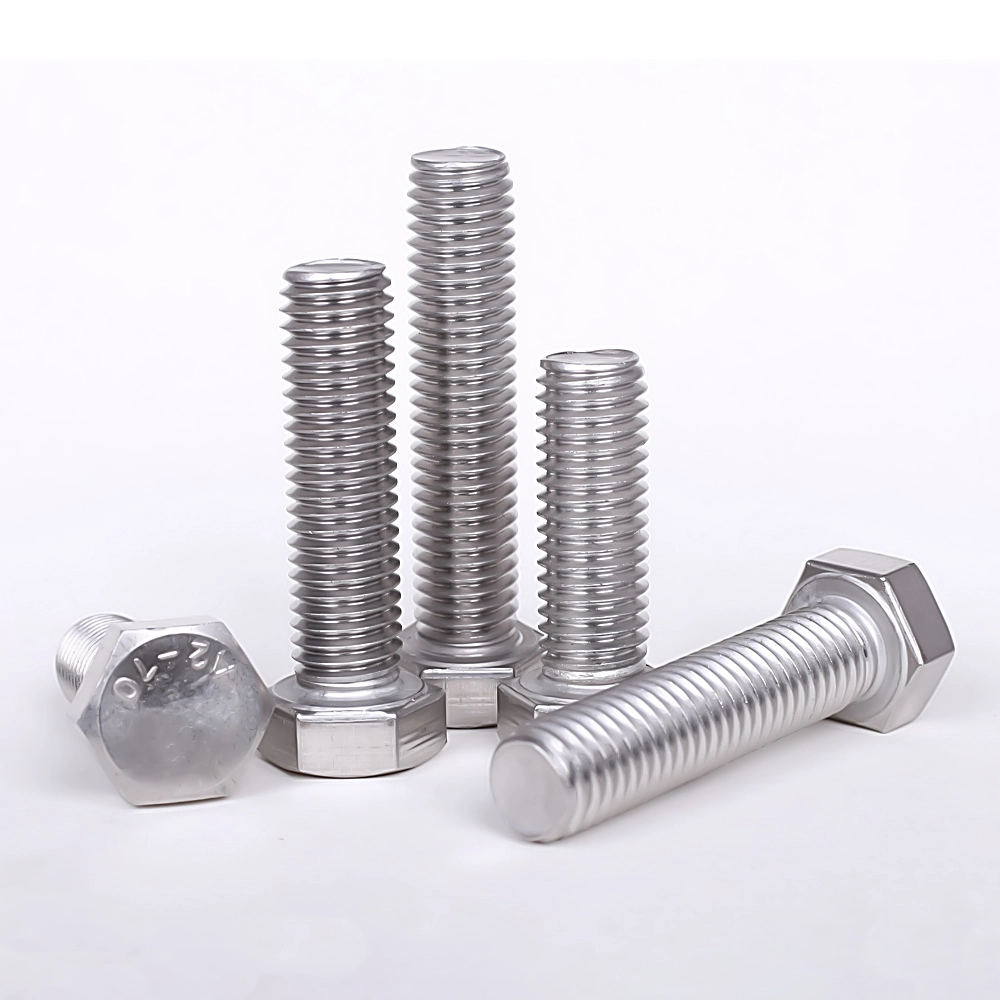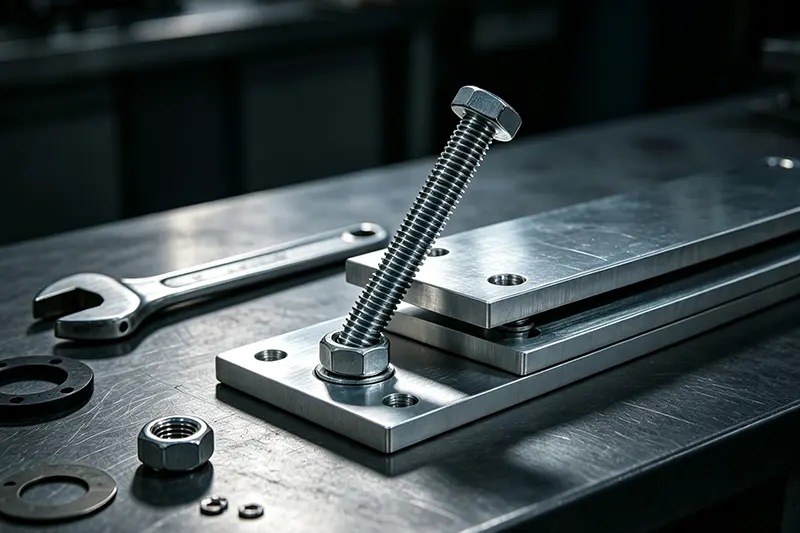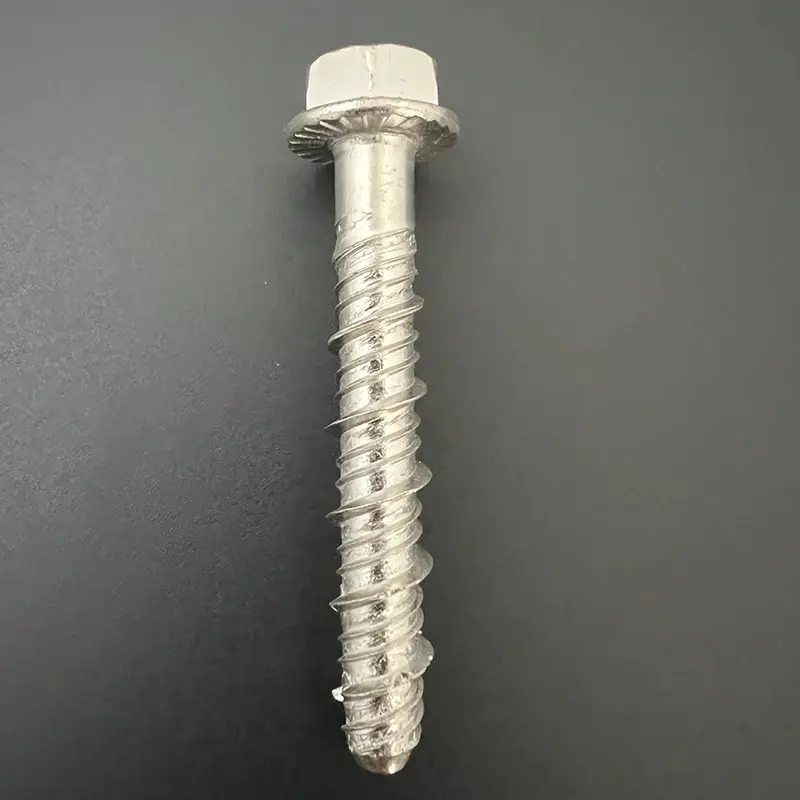
A Hex Flange Concrete Anchor Bolt is designed to create a dependable mechanical connection between concrete structures and fixtures such as steel brackets, equipment bases, support frames, guardrails, and structural components. Its hexagonal head and integrated flange provide practical advantages during installation, positioning, and load distribution. However, anchor performance depends on more than bolt dimensions alone. Concrete condition, embedment depth, hole preparation, material grade, corrosion environment, installation torque, and application requirements all influence the reliability of the final connection. This guide explains the main characteristics of Hex Flange Concrete Anchor Bolts, how they work, where they are used, how to install them correctly, and what buyers should evaluate when sourcing them for construction or industrial projects.
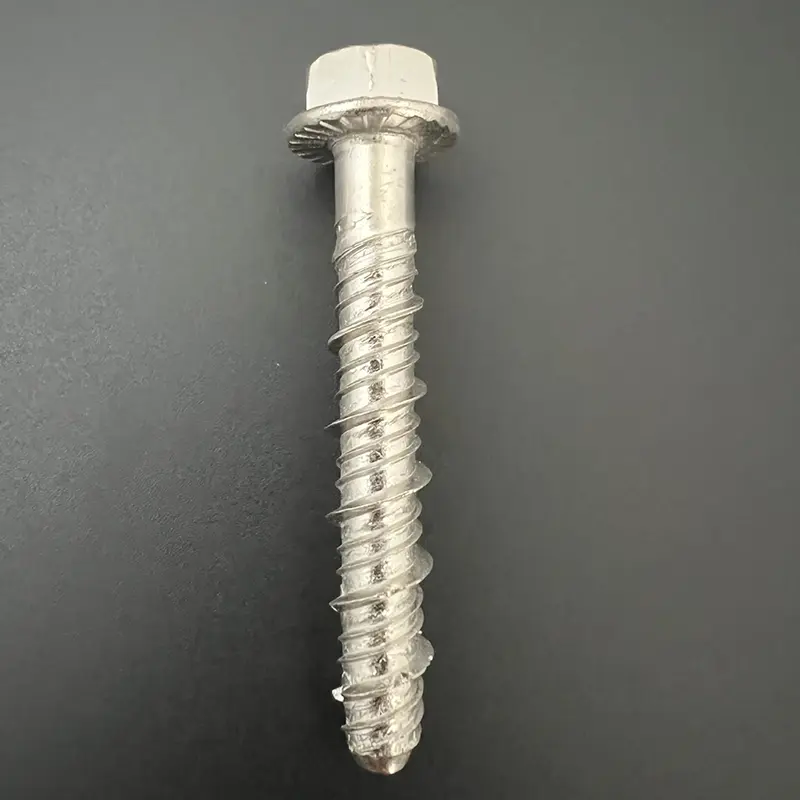
Table of Contents
- What Is a Hex Flange Concrete Anchor Bolt?
- How Does the Bolt Structure Improve Installation?
- Why Is Anchor Bolt Selection Important?
- Where Are Hex Flange Concrete Anchor Bolts Used?
- Which Materials and Finishes Are Common?
- How Should Buyers Select the Right Anchor Bolt?
- How Should a Hex Flange Concrete Anchor Bolt Be Installed?
- What Installation Problems Should Be Avoided?
- How Does a Hex Flange Anchor Bolt Compare with Other Anchoring Methods?
- What Quality Factors Should Buyers Check?
- Frequently Asked Questions
- Final Considerations
What Is a Hex Flange Concrete Anchor Bolt?
A Hex Flange Concrete Anchor Bolt is a mechanical fastening component used to secure objects to concrete or masonry substrates. It combines a hexagonal drive head with a flange beneath the head, allowing the fastener to be tightened with a standard wrench or socket while providing a broader bearing surface against the attached fixture.
Unlike an ordinary screw intended primarily for wood or sheet materials, a concrete anchor must interact effectively with a hard mineral substrate. The anchor's threads, body geometry, installation hole, and expansion or anchoring mechanism work together to create resistance against withdrawal and movement.
The flange is particularly useful when the fixture needs a stable seating surface. It can help distribute contact pressure over a larger area than a narrow-head fastener and may reduce the tendency of the bolt head to pull through or damage the mounting hole in the fixture.
How Does the Bolt Structure Improve Installation?
The design of a Hex Flange Concrete Anchor Bolt addresses several practical challenges encountered on construction sites. The hexagonal head makes torque application straightforward, while the integrated flange provides a defined contact surface for the mounted component.
| Component | Primary Function | Practical Benefit |
|---|---|---|
| Hexagonal head | Provides a surface for a wrench or socket | Allows controlled tightening and convenient installation |
| Flange | Creates a wider bearing surface | Helps seat the fixture and distribute contact pressure |
| Threaded body | Engages with the concrete anchoring mechanism | Creates resistance against movement and withdrawal |
| Anchor section | Interacts with the drilled hole and substrate | Transfers loads from the fixture into the concrete |
For contractors, another advantage is installation familiarity. Hex-head fasteners can generally be handled with commonly available hand or powered tools. This can be valuable when many anchors must be installed across a large project.
Why Is Anchor Bolt Selection Important?
Choosing an anchor based only on diameter and length can create problems. Concrete fastening applications vary considerably. A lightweight indoor fixture has different requirements from an outdoor railing, machinery base, structural bracket, or industrial support system.
The most important consideration is the load path. Forces applied to the fixture must ultimately be transferred into the concrete without exceeding the capacity of the anchor, fixture, or substrate.
- Load requirements: Consider tension, shear, combined loading, vibration, and repeated loading.
- Concrete condition: Strength, age, cracking, surface condition, and substrate thickness can influence performance.
- Embedment: Adequate embedment helps establish the intended anchoring action.
- Corrosion exposure: Outdoor, coastal, humid, or chemically aggressive environments may require improved corrosion resistance.
- Fixture thickness: The usable anchor length must accommodate the fixture while maintaining the required anchoring depth.
- Installation access: Head style and tool clearance should suit the available working space.
For safety-critical or heavily loaded connections, product selection should follow the applicable project specifications, engineering requirements, and relevant local standards rather than relying solely on general product descriptions.
Where Are Hex Flange Concrete Anchor Bolts Used?
The combination of a practical hex head and flange makes this type of fastener suitable for a wide range of construction and maintenance applications.
| Application | Typical Purpose | Important Consideration |
|---|---|---|
| Steel brackets | Securing brackets to concrete walls or floors | Fixture thickness and load direction |
| Equipment bases | Fixing machinery or support equipment | Vibration and repeated loading |
| Guardrails | Connecting railing components to concrete | Shear, impact, and environmental exposure |
| Support frames | Anchoring metal structures and frames | Alignment and load transfer |
| Racking systems | Securing storage structures | Concrete condition and applied loads |
| Construction fixtures | Fastening temporary or permanent components | Ease of installation and removal requirements |
They may also be considered for applications involving concrete floors, walls, foundations, slabs, precast components, and other suitable mineral substrates, provided that the selected anchor is appropriate for the substrate and expected loading conditions.
Which Materials and Finishes Are Common?
Material selection directly affects mechanical properties, corrosion resistance, durability, and cost. Carbon steel is frequently used where high mechanical performance and economical pricing are important. Stainless steel can be advantageous where corrosion exposure is a major concern.
| Material / Finish | Typical Advantage | Potential Application |
|---|---|---|
| Carbon steel | Good strength-to-cost balance | General construction and indoor applications |
| Zinc-plated steel | Improved surface corrosion resistance | General-purpose environments |
| Stainless steel | Strong corrosion resistance | Outdoor, humid, and demanding environments |
| Special protective coatings | Additional environmental protection | Applications requiring enhanced surface durability |
However, no finish should be selected in isolation. The surrounding environment, expected service life, contact with dissimilar metals, installation conditions, and maintenance requirements should all be considered.
How Should Buyers Select the Right Anchor Bolt?
For procurement teams, choosing a suitable Hex Flange Concrete Anchor Bolt involves more than comparing unit prices. A low-cost fastener that creates installation problems, inconsistent performance, or premature corrosion can increase the overall project cost.
A practical purchasing checklist includes:
- Define the substrate. Confirm whether the application involves concrete, masonry, or another compatible material.
- Determine the required diameter. Match the fastener size with the expected loading and fixture requirements.
- Confirm the total length. Account for fixture thickness, washers if applicable, and required embedment.
- Choose the appropriate material. Consider strength requirements and corrosion exposure.
- Review dimensions and tolerances. Consistent dimensions support predictable installation.
- Check packaging requirements. Bulk projects may require customized quantities, labeling, and protective packaging.
- Discuss customization. For OEM or project-specific requirements, confirm whether diameter, length, head configuration, surface treatment, packaging, or marking can be customized.
How Should a Hex Flange Concrete Anchor Bolt Be Installed?
Correct installation is essential. Even a well-manufactured anchor may perform poorly if the hole is incorrectly sized, insufficiently cleaned, positioned too close to an edge, or tightened improperly.
Position the fixture accurately and mark the drilling location. Check the spacing between anchors and the distance from concrete edges.
Use the drilling equipment and bit size specified for the particular anchor system. Keep the hole aligned with the intended anchoring direction.
Remove drilling dust and loose debris according to the anchor manufacturer's installation instructions. Hole cleanliness can have a significant effect on anchoring performance.
Place the fixture correctly and insert the anchor to the specified depth. Avoid forcing the fastener into a hole that does not meet the required dimensions.
Use the recommended tightening procedure and torque where specified. Over-tightening can damage the fastener or substrate, while insufficient tightening may prevent the anchoring mechanism from developing its intended performance.
Check the fixture position, head seating, anchor spacing, and visible installation condition before putting the assembly into service.
Always follow the specific installation instructions supplied with the selected anchor. Different concrete anchor designs can have different drilling, embedment, tightening, and inspection requirements.
What Installation Problems Should Be Avoided?
Many fastening failures are related not to the basic concept of the anchor but to unsuitable installation practices. Common problems include:
- Using an incorrect drill-bit diameter.
- Installing into concrete that does not meet the required condition.
- Failing to remove drilling dust from the hole.
- Placing anchors too close to an unsupported concrete edge.
- Using insufficient embedment depth.
- Applying excessive tightening torque.
- Ignoring corrosion conditions in outdoor installations.
- Mixing incompatible fastener materials in corrosive environments.
- Applying loads beyond the intended capacity of the anchoring system.
- Skipping inspection after installation.
For large commercial or structural projects, installation procedures should be documented and performed by qualified personnel where required. A consistent installation process can reduce variability across hundreds or thousands of anchor points.
How Does a Hex Flange Anchor Bolt Compare with Other Anchoring Methods?
Different concrete fastening technologies serve different purposes. A Hex Flange Concrete Anchor Bolt can be attractive when straightforward mechanical installation, accessible tooling, and a finished hex-head connection are priorities.
| Fastening Method | General Characteristic | Potential Advantage | Key Limitation to Consider |
|---|---|---|---|
| Hex flange concrete anchor | Mechanical concrete fastening | Convenient tightening and broad head bearing surface | Performance depends strongly on installation and substrate |
| Expansion anchor | Mechanical expansion inside the hole | Suitable for many common concrete applications | Requires correct hole dimensions and installation |
| Concrete screw | Threaded directly into a prepared hole | Fast installation and removal in many applications | Capacity and application suitability vary by design |
| Chemical anchor | Adhesive bonding with threaded rod or anchor element | Useful for certain demanding or close-to-edge applications | Requires more preparation and curing considerations |
The best fastening method depends on the substrate, loading, installation environment, project specifications, required service life, and applicable engineering requirements.
What Quality Factors Should Buyers Check?
When purchasing Hex Flange Concrete Anchor Bolts in bulk, consistency is just as important as individual product strength. Buyers should evaluate whether the supplier can maintain stable dimensions, material quality, surface treatment, packaging, and delivery performance from batch to batch.
Useful quality checkpoints include:
| Quality Area | What to Review |
|---|---|
| Dimensions | Diameter, length, thread geometry, head dimensions, and flange dimensions |
| Material | Specified steel or stainless-steel grade and material consistency |
| Surface treatment | Finish type, appearance, uniformity, and corrosion-resistance requirements |
| Mechanical performance | Strength characteristics and compliance with agreed specifications |
| Production consistency | Stable quality between different manufacturing batches |
| Packaging | Protection against damage, contamination, and moisture during transportation |
| Customization | Ability to support project-specific dimensions, finishes, markings, and packaging |
Taizhou Wanluo Hardware Products Co.,Ltd. can be considered when buyers are looking for a hardware supplier capable of supporting concrete anchor bolt sourcing and related fastening requirements. For OEM, wholesale, or project-based purchasing, communicating detailed specifications at the quotation stage can help both parties establish a clearer production and quality-control process.
Frequently Asked Questions
It is used to mechanically secure fixtures, brackets, equipment, frames, railings, and other components to suitable concrete or masonry substrates.
The flange provides a wider bearing surface beneath the hex head. It can help seat the fixture securely and distribute contact pressure around the mounting hole.
They can be suitable for outdoor applications when the selected material and surface finish are appropriate for the environmental exposure. Corrosion conditions should always be evaluated before selection.
Consider the fixture thickness together with the required anchoring depth and any applicable installation requirements. The manufacturer's specifications should be used to establish the final length.
Edge distance is an important design consideration because concrete can crack or break under load. The permitted edge distance depends on the anchor type, concrete condition, loading, and applicable specifications.
Drilling produces dust and loose particles that can interfere with the intended anchoring mechanism. Proper hole preparation helps the anchor engage with the substrate as designed.
Depending on the manufacturer, customization may be available for dimensions, materials, finishes, markings, packaging, and other project requirements. Buyers should confirm customization capabilities before ordering.
Useful information includes required diameter, length, material, surface finish, estimated quantity, application environment, packaging requirements, drawings if available, and any project-specific specifications.
Final Considerations
A Hex Flange Concrete Anchor Bolt can provide a practical and efficient solution for securing components to concrete when the fastener is correctly selected and installed. Its hexagonal head supports convenient tightening, while the integrated flange provides a stable bearing surface for the fixture.
The real performance of a concrete anchoring system, however, depends on the complete installation environment. Concrete strength, hole preparation, embedment, anchor spacing, edge distance, material selection, corrosion exposure, tightening procedure, and expected loads all deserve careful attention.
For distributors, contractors, importers, and industrial buyers, supplier capability should also be part of the evaluation. Consistent manufacturing, clear specifications, stable quality, suitable packaging, and responsive technical communication can make a significant difference when purchasing fasteners for recurring projects.
Looking for a Reliable Concrete Anchor Bolt Supplier?
If you are sourcing Hex Flange Concrete Anchor Bolt products for construction, industrial fastening, hardware distribution, or OEM projects, Taizhou Wanluo Hardware Products Co.,Ltd. can discuss your required dimensions, materials, surface finishes, quantities, packaging, and customization needs.
Share your drawings or product specifications with the supplier to receive a more accurate recommendation and quotation. Contact us to discuss your concrete anchoring requirements and find a fastening solution suitable for your project.