
Language
- English
- Español
- Português
- русский
- Français
- 日本語
- Deutsch
- tiếng Việt
- Italiano
- Nederlands
- ภาษาไทย
- Polski
- 한국어
- Svenska
- magyar
- Malay
- বাংলা ভাষার
- Dansk
- Suomi
- हिन्दी
- Pilipino
- Türkçe
- Gaeilge
- العربية
- Indonesia
- Norsk
- تمل
- český
- ελληνικά
- український
- Javanese
- فارسی
- தமிழ்
- తెలుగు
- नेपाली
- Burmese
- български
- ລາວ
- Latine
- Қазақша
- Euskal
- Azərbaycan
- Slovenský jazyk
- Македонски
- Lietuvos
- Eesti Keel
- Română
- Slovenski
- मराठी
- Srpski језик

Industry News
 09 2026-11
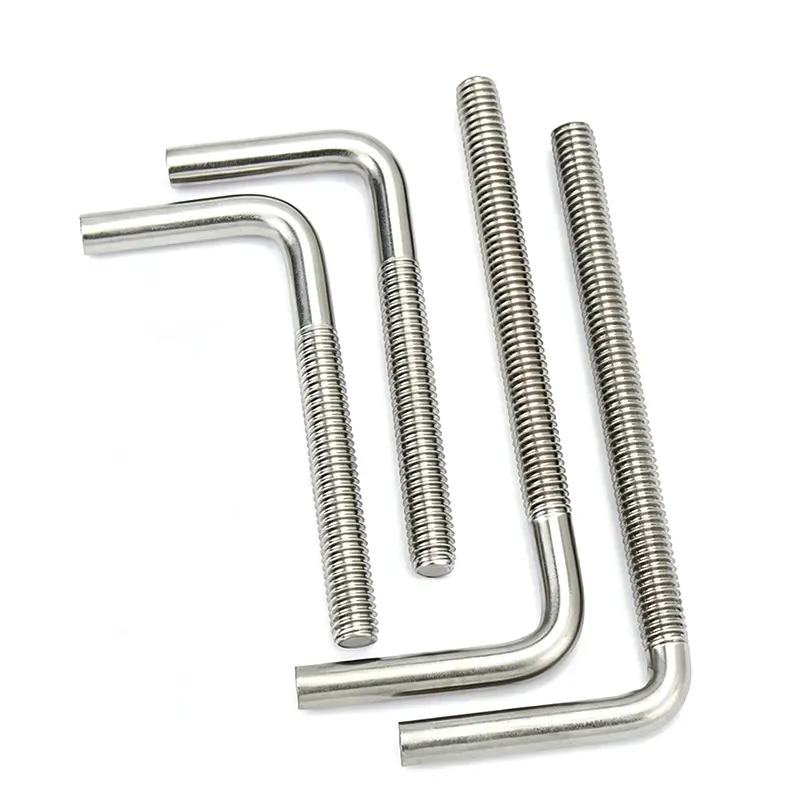
How Do Stainless Steel L Type Foundation Bolts Ensure Reliable Structural Anchoring?
Stainless Steel L Type Foundation Bolts play an important role in securing structural components to concrete foundations. Their distinctive L-shaped design provides mechanical anchoring, while stainless steel offers excellent corrosion resistance and long-term durability in demanding environments. This article explores their structure, material grades, specifications, applications, installation procedures, and purchasing considerations to help engineers, contractors, and procurement professionals select suitable foundation fasteners for their projects.
 20 2026-10
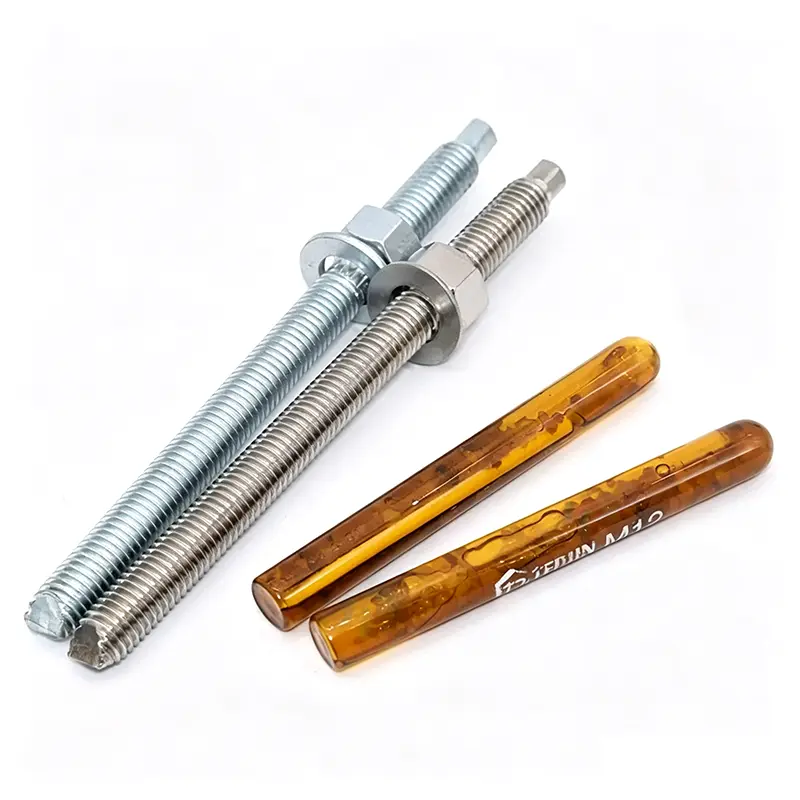
Why Is a Stainless Steel Chemical Anchor Bolt Important for Reliable Fixing?
A stainless steel chemical anchor bolt combines a corrosion-resistant metal anchor with a bonding resin to create a secure fixing in suitable concrete and other approved substrates. For contractors, engineers, distributors, and industrial procurement teams, choosing the right system requires more than checking bolt dimensions.
 18 2026-09
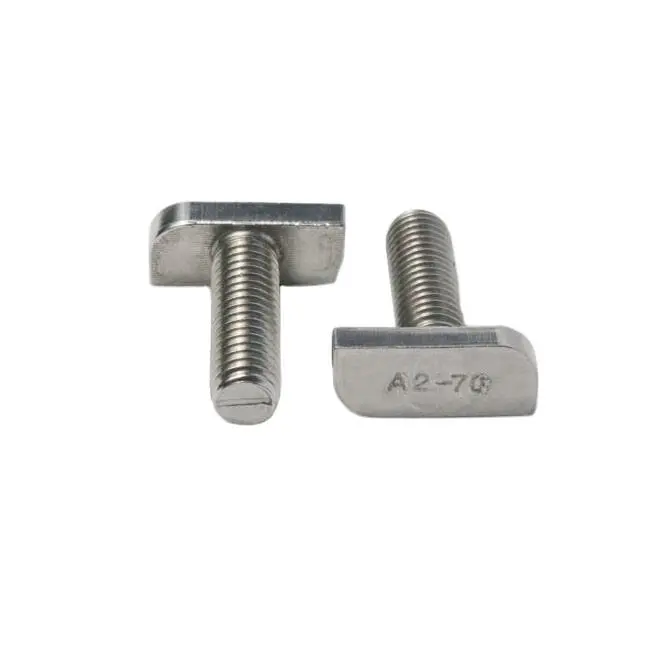
What Makes Stainless Steel T Bolt a Reliable Choice for Modern Fastening?
Stainless Steel T Bolt is a specialized fastening component designed for applications where a secure connection must be installed inside a slot, channel, rail, or T-shaped groove. Its sliding head allows installers to position the bolt along a profile before tightening, making it particularly useful for aluminum extrusion systems, industrial machinery, solar mounting structures, support channels, equipment frames, and other modular assemblies. Compared with ordinary fastening methods, the T-bolt format can simplify positioning and reduce the need for drilling or access from the rear of a component. Material selection is equally important.
 11 2026-09
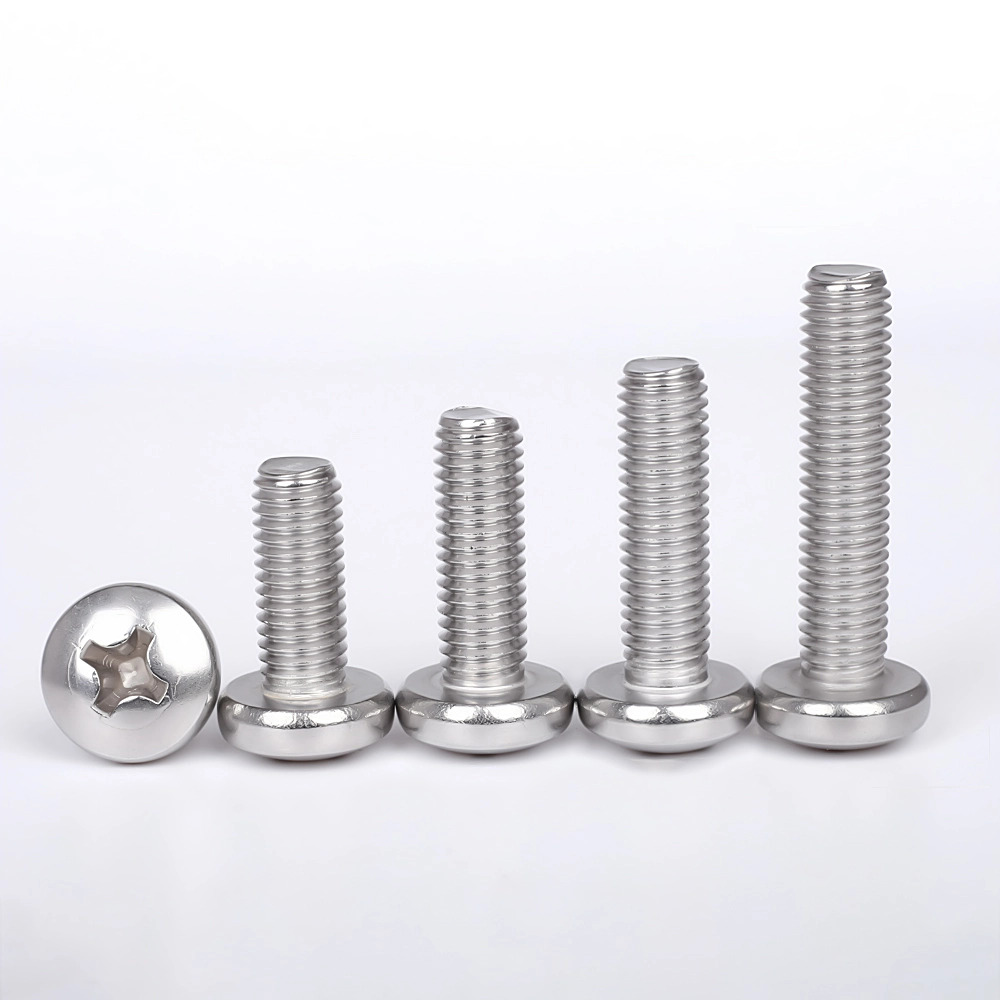
Can automated‑assembly disruptions stem from GB818 Pan Head Cross Recessed Machine Screw batch variations?
Electronics OEM buyers and industrial fastener distributors often validate machine‑screw quality by manual sample inspection. Hand‑picked prototype samples pass dimensional checks and manual screwdriver testing. Multiple subtle batch‑level deviations remain invisible during manual sampling, only surfacing once parts feed into high‑speed automated assembly lines, triggering unplanned line stoppages and extra re‑work expense.
 07 2026-09
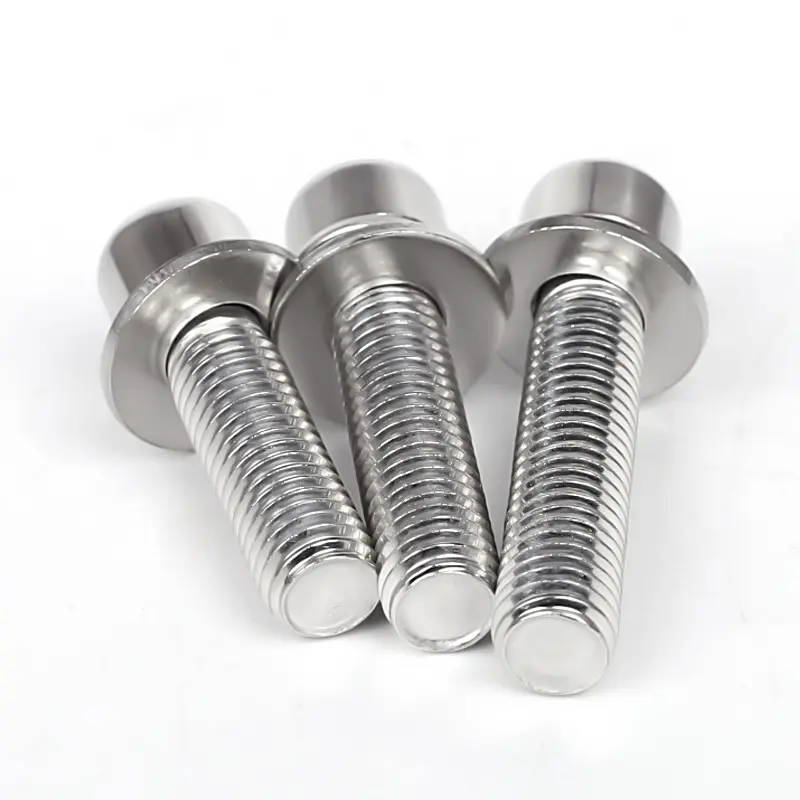
How Does a Hex Socket Combination Screw Improve Fastening Performance?
A Hex Socket Combination Screw is designed to provide secure fastening, efficient installation, and practical assembly performance in applications where reliability and convenience matter. By integrating a screw with a built-in washer or other combination component, this type of fastener can help simplify assembly, reduce loose parts, improve load distribution, and support consistent fastening results.
 02 2026-09
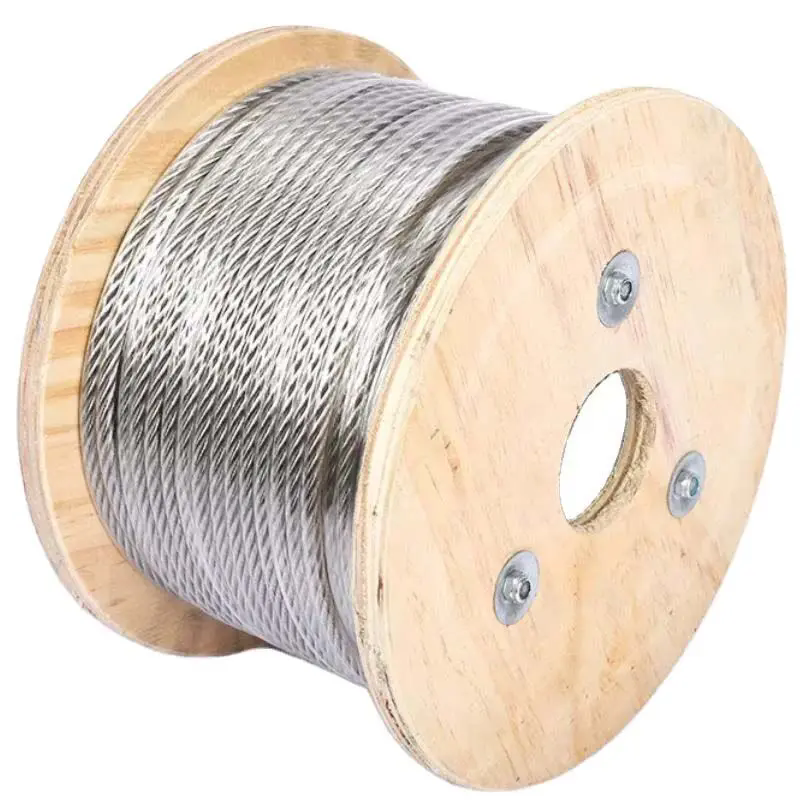
What procurement mistakes cause Stainless Steel Wire Rope project failures?
Global marine engineering contractors and outdoor rigging wholesalers often encounter unexpected wire rope failures in mid-to-late project stages. Most quality issues do not stem from obvious product defects, but from neglected procurement verification loopholes. Standard sample inspection cannot cover scene-specific usage demands, resulting in inconsistent performance of bulk stainless steel wire rope in marine corrosion and dynamic tension scenarios.