Language
- English
- Español
- Português
- русский
- Français
- 日本語
- Deutsch
- tiếng Việt
- Italiano
- Nederlands
- ภาษาไทย
- Polski
- 한국어
- Svenska
- magyar
- Malay
- বাংলা ভাষার
- Dansk
- Suomi
- हिन्दी
- Pilipino
- Türkçe
- Gaeilge
- العربية
- Indonesia
- Norsk
- تمل
- český
- ελληνικά
- український
- Javanese
- فارسی
- தமிழ்
- తెలుగు
- नेपाली
- Burmese
- български
- ລາວ
- Latine
- Қазақша
- Euskal
- Azərbaycan
- Slovenský jazyk
- Македонски
- Lietuvos
- Eesti Keel
- Română
- Slovenski
- मराठी
- Srpski језик

What hidden equipment losses stem from substandard anti-vibration locking fastener sourcing?
2026-08-13
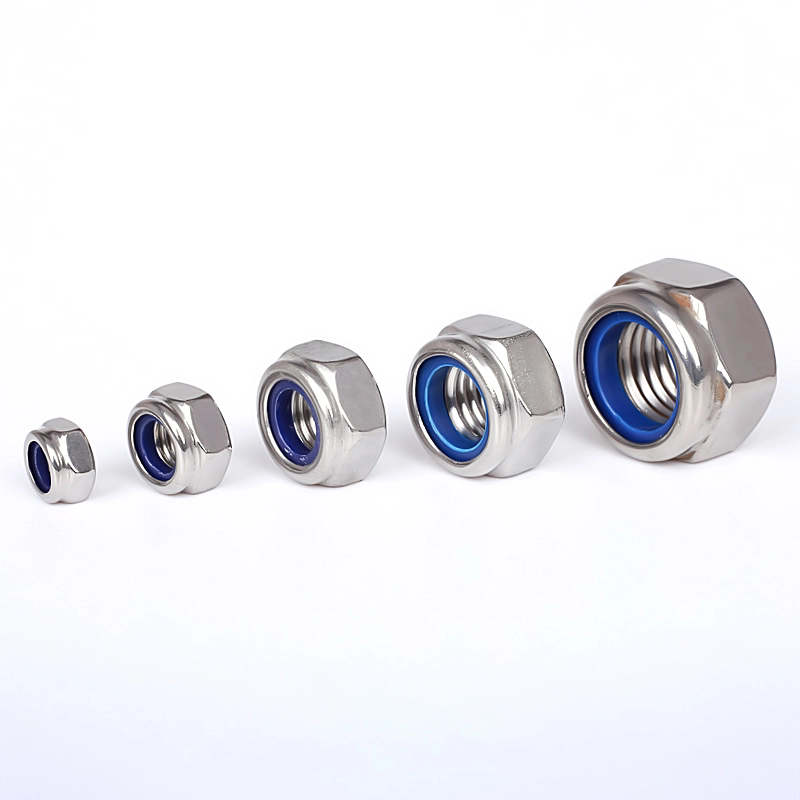
Automation equipment OEMs, agricultural machinery manufacturers and marine facility engineering suppliers constantly confront invisible operational losses caused by inferior locking nuts: ordinary hex fasteners loosen under long-term cyclic vibration, triggering equipment shutdown, part displacement and costly product recall incidents; low-cost nylon lock nuts use brittle recycled plastic inserts that deform after limited disassembly cycles, failing EU machinery safety audits and delaying overseas order delivery. Most small fastener vendors only stock partial size ranges and cannot provide unified CMTR material test archives for stainless steel duplex variants, forcing manufacturers to split orders across multiple suppliers and raise procurement management labor costs. Wanlu DIN 985 nylon insert locking nut adopts imported high-toughness nylon ring and full stainless steel material series, delivering consistent anti-loosening torque performance and complete cross-border compliance documents, cutting vibration-induced equipment downtime and multi-supplier procurement overhead for global machinery manufacturers.
1. High-tough virgin nylon insert maintains stable locking torque under cyclic vibration loads
Budget lock nuts adopt recycled nylon fragments for the inner clamping ring; after repeated assembly and continuous equipment shaking, the plastic ring cracks or extrudes outward, losing friction locking force within hundreds of operating hours. Field industry data shows loose fastener failures can trigger cascading mechanical damage, with a single small nut fault generating repair and production halt losses over ten thousand euros. This lock nut configures industrial-grade pure nylon inserts with stable elastic recovery, passing millions of vibration cycle tests without ring shedding or brittle cracking. Uniform clamping force remains consistent throughout long-term equipment operation, drastically lowering unplanned maintenance downtime caused by loose connection points for vibration-intensive machinery.
2. Full stainless steel material series matches multi-environment global equipment deployment
Most lock nut suppliers only stock conventional 304 material, lacking corrosion-resistant 316 and duplex stainless steel options for coastal marine and chemical workshop equipment. Purchasers need separate secondary suppliers for anti-rust fasteners, disrupting unified batch shipment schedules. The full material portfolio includes A2 304, A4 316 and customized duplex steel variants, each alloy batch accompanied by spectrometer composition test reports. One-stop sourcing covers indoor automation lines, seaside agricultural machinery and offshore pipeline equipment without switching hardware vendors, simplifying bulk order consolidation and container logistics arrangements.
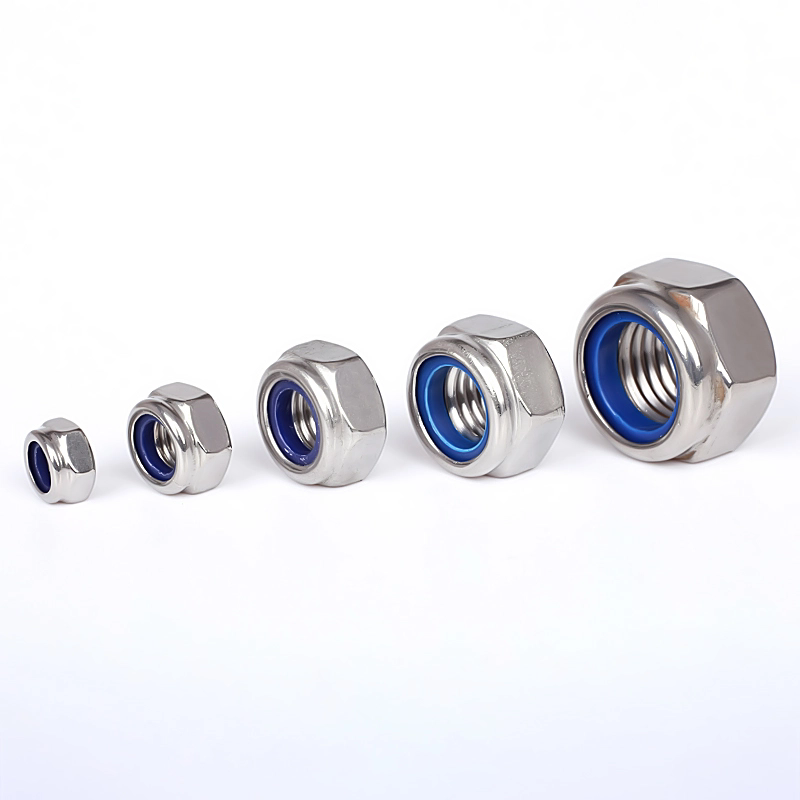
3. Complete DIN 985 standardized dimensional control eliminates assembly mismatch rework
Unregulated small-batch lock nut manufacturers have unstable thread pitch and hex tolerance; during mass automated assembly, mismatched threads lead to cross-threading, scratching bolt surfaces and slowing production line output. All nuts are machined following strict DIN 985 dimensional tolerance standards, with CNC thread rolling ensuring uniform tooth profile from M3 to M36 full metric sizes. Coarse and fine thread specifications are all in stock, perfectly matching standard metric bolts and studs, reducing assembly line scrap and auxiliary fastener consumption by a large margin for OEM factories.
4. Full set EU machinery directive compliance documents smooth third-party factory audits
Many domestic fastener factories only deliver physical goods without torque retention test records and RoHS chemical inspection files; European machinery auditors will withhold final order payment if locking component technical archives are incomplete. Every shipment of nylon insert lock nuts is attached with full test dossiers including vibration fatigue data, stainless steel anti-corrosion reports and REACH SVHC compliance certificates. Multilingual standardized document packs are prepared in advance for overseas engineering audit submission, avoiding supplementary third-party testing fees and shipment detention risks.
5. Unified mixed fastener consolidation cuts cross-border logistics extra expenditure
Separate sourcing of bolts, lock nuts and washers from different factories generates multiple sea freight bills and port handling surcharges, increasing overall hardware procurement costs. The factory supports mixed SKU container loading of all matching fastener series (hex bolts, flat washers, spring washers and lock nuts) according to client bill of materials. Consolidated single-container shipments reduce redundant logistics administrative fees and empty container space waste, delivering comprehensive cost advantages for large machinery OEM mass orders.
6. Moisture-proof customized export packaging prevents nylon insert aging during long sea transit
Generic ordinary carton packaging cannot block ocean high humidity; nylon inserts absorb moisture during weeks of sea transport, reducing elastic clamping performance before installation. Special VCI anti-rust inner bags paired with sealed export cartons isolate salt mist and humid air during shipping. Custom private label printing service is available for wholesale hardware distributors, maintaining intact nut locking performance upon arrival at overseas warehouses and eliminating batch quality complaints caused by transit material degradation.
Related News
- What Makes Stainless Steel T Bolt a Reliable Choice for Modern Fastening?
- Can automated‑assembly disruptions stem from GB818 Pan Head Cross Recessed Machine Screw batch variations?
- How Does a Hex Socket Combination Screw Improve Fastening Performance?
- What procurement mistakes cause Stainless Steel Wire Rope project failures?
- Do surface‑perfect samples mask Conical Cap Expansion Bolt field‑project risks?